
For infants, the first months of life are often when respiratory syncytial virus poses the greatest risk. RSV remains a major cause of infant hospitalization in the United States, with the youngest infants at greatest risk. CDC estimates that two to three out of every 100 infants younger than 3 months are hospitalized with RSV each year. Clinicians now have tools that can prevent many severe RSV outcomes, but the challenge is making sure those tools reach infants when they are most likely to benefit from them.
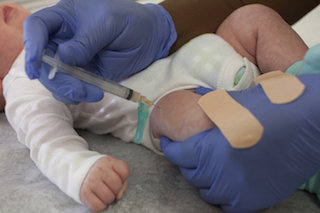
Current recommendations support protecting most infants through one of two approaches: maternal RSV vaccination during pregnancy or infant immunization with a long-acting monoclonal antibody, nirsevimab or clesrovimab. For eligible infants, these antibodies provide protection directly.
Having these options available is only part of the picture. Timing matters, too: Matching prevention to an infant’s earliest period of risk and to local RSV activity can help ensure protection is in place before exposure occurs.
Start Protection Early
The American Academy of Pediatrics recommends that eligible infants born during RSV season receive RSV immunization within the first week of life, ideally during the birth hospitalization. CDC guidance similarly recommends immunizing eligible infants born from October through March during their first week after birth, preferably before hospital discharge.
For newborn care teams, this means RSV prevention can be incorporated into routine discharge planning. Teams can confirm maternal vaccination status, determine infant eligibility and help families understand whether maternal vaccination is expected to provide protection or whether infant immunization is recommended. This is important because young age alone is a major risk factor for severe RSV. Even otherwise healthy infants can develop bronchiolitis, pneumonia or illness serious enough to require hospitalization.
If an eligible infant leaves the hospital without protection, immunization may depend on a later outpatient visit while that infant remains vulnerable. When protection can be provided before discharge, the birth hospitalization offers an important chance to avoid that gap.
Use the Calendar as a Guide, Not a Boundary
In most of the continental United States, infant RSV immunizations are generally administered from October through March. That window is useful for planning, but RSV activity does not always fit neatly within it. AAP guidance recognizes that RSV circulation varies by location and allows providers to adjust timing based on recommendations from public health authorities and regional medical centers. CDC guidance also provides flexibility, including the option to begin RSV antibody administration before October, continue beyond March or otherwise adjust timing based on local RSV activity.
Clinicians can also use their judgment for individual patients outside the traditional October-through-March window. This may be appropriate, for example, when an infant may not return at the ideal time for immunization or will travel to an area where RSV activity is higher. The 2025–2026 season showed why that flexibility can matter: RSV activity remained elevated later than usual in parts of the country. By April 1, 48 jurisdictions had extended RSV immunization through April or had not established an end date. Florida, Hawaii, Oregon and several U.S. territories were already using year-round or other nontraditional administration periods.
RSV season remains a valuable public health framework, but local conditions matter. When RSV continues to circulate, local epidemiology and clinical judgment can help determine the appropriate timing of protection.
Turn Prevention Guidance into Practice
As another respiratory virus season approaches, RSV awareness should be translated into practical steps: identifying eligible infants early, talking with parents about prevention, incorporating immunization into newborn care and following local RSV activity. For many infants, the best opportunity for protection will come before they leave the hospital. For others, it may mean receiving immunization shortly before RSV begins circulating locally or remaining attentive to protection when activity continues beyond March.
Seasonality remains an important part of RSV prevention, but it works best when paired with local data and clinical judgment. Using these tools early and adapting their timing when needed can help more infants receive protection during the period when they are most vulnerable.